
Meeting entrepreneurs where they are
When entrepreneurial education is designed around people – not circumstances – new possibilities emerge.
Written by Diaysha Cole | Kauffman FastTrac program manager
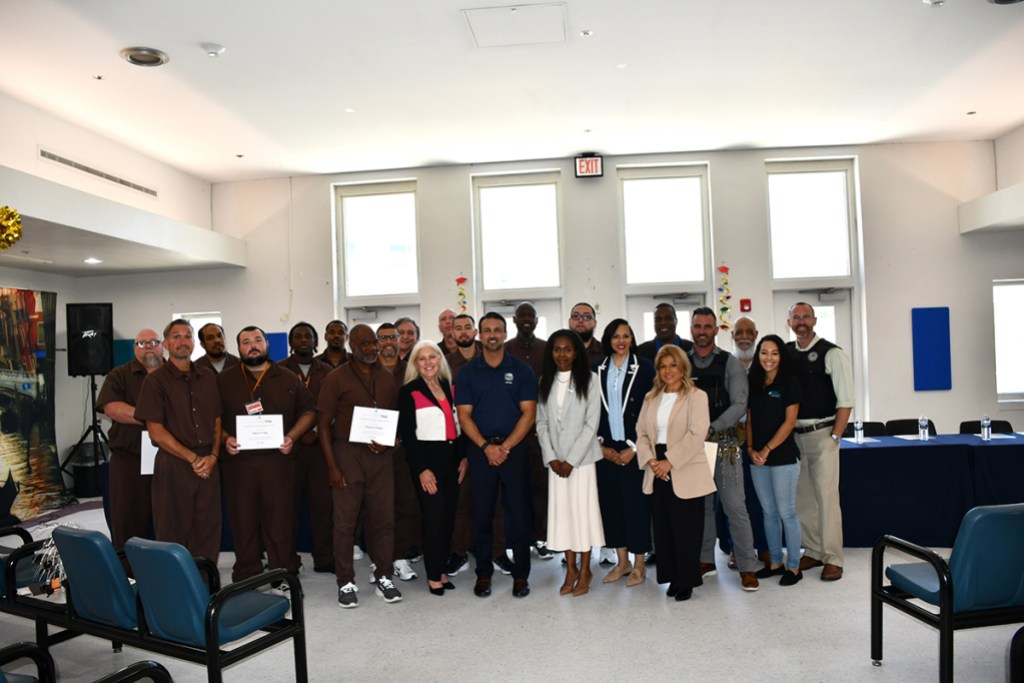
At Kauffman FastTrac®, we often say that entrepreneurship has the power to transform lives. But that transformation can only happen if people have access to the right tools, support, and opportunities.
Watching a group of entrepreneurs graduate from FastTrac through our partnership with Break Barriers reminded me that when we remove barriers to entrepreneurial education, we create opportunities that can extend far beyond the classroom.
— Diaysha Cole
Program Manager, Kauffman FastTrac
Every entrepreneur starts from a different place, and our role isn’t to ask them to fit a single model. It’s to make sure our program is flexible enough to meet them where they are. That’s what made my visit to Coleman Federal Correctional Complex in Florida earlier this year so meaningful. Watching a group of entrepreneurs graduate from FastTrac through our partnership with Break Barriers reminded me that when we remove barriers to entrepreneurial education, we create opportunities that can extend far beyond the classroom.
Break Barriers first came to FastTrac with a bold vision. Founder Robert Tyler had completed FastTrac through a local business incubator and saw in it a principle that resonated deeply with his own experience: Ewing Marion Kauffman believed anyone with an idea should have the opportunity to turn it into a business, without artificial barriers standing in the way.
Having experienced incarceration himself, Robert recognized what that principle could mean for other people preparing for reentry. Alongside Program Director Amari Graves, facilitators Elgin Carelock and Cheri Villa, and other community partners, Break Barriers began asking: Could FastTrac meet these aspiring entrepreneurs where they were – inside a federal correctional facility?
The answer wasn’t immediate, but it was yes. Bringing FastTrac into a federal correctional facility required persistence, creativity, and collaboration from everyone involved. Together, we worked through challenges that ranged from adapting a digital curriculum into a paper-based format to ensuring participants could keep course materials for continued learning, while Break Barriers and facility staff coordinated logistics that made weekly instruction possible.
Rather than changing the quality or rigor of the curriculum, we adapted how it was delivered so participants could receive the same entrepreneurial education that FastTrac offers in communities across the country. Watching our teams work together reinforced one of the things I value most about FastTrac: our willingness to listen, collaborate, and find solutions when a community has unique needs.
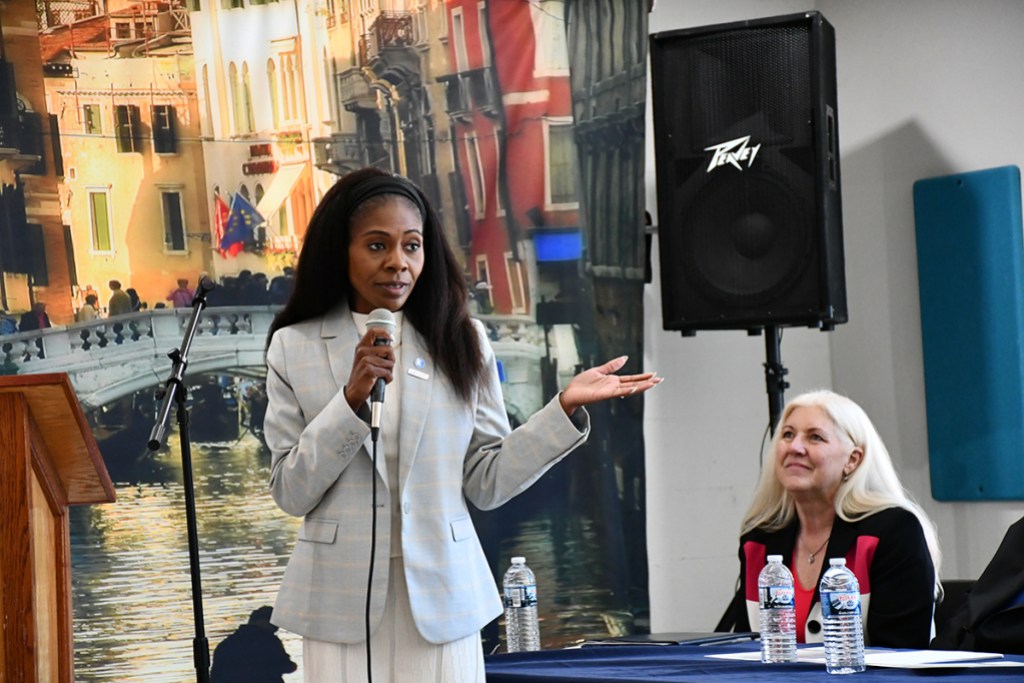
When I arrived at the FCC Coleman campus for graduation, I could feel that this was more than the end of a 12-week program. There was a buzz around what these entrepreneurs had accomplished and a growing excitement about what could come next.
The graduates confidently presented thoughtful business ideas they had refined throughout the program. They encouraged one another throughout the presentations, demonstrating the sense of community they had built together over the course of the cohort. Family members celebrated their accomplishments, community leaders shared words of encouragement, and it was impossible not to recognize the pride in the room.
What struck me most was their renewed sense of hope – in themselves, in their ideas, and in what their futures could hold.
That experience stayed with me long after I returned home. The graduates took tremendous pride in what they had accomplished and in becoming Kauffman FastTrac alumni. We also witnessed a shift among FCC Coleman staff as the program progressed. What began with uncertainty grew into genuine enthusiasm as FastTrac demonstrated its value. By graduation, staff were already asking about additional cohorts.
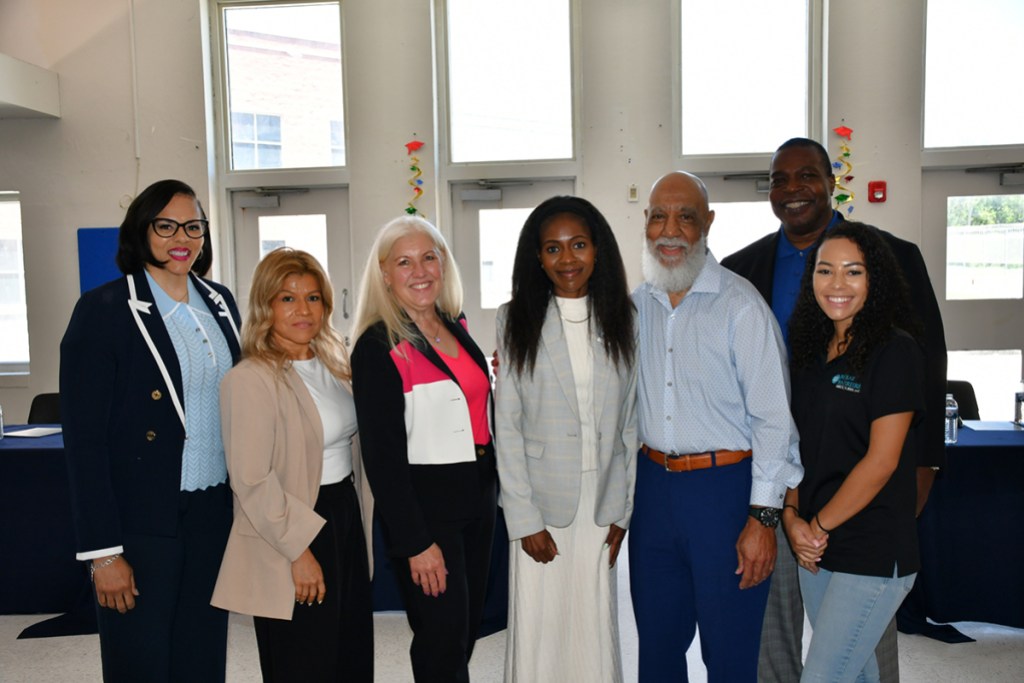
That response reinforced what Robert, Amari, Elgin, and Cheri demonstrated throughout the partnership: this was never just about delivering a curriculum. It was about expanding access to entrepreneurial education while preserving the high expectations and practical learning that define FastTrac. And this graduating class was only the beginning. Break Barriers is already exploring opportunities to bring FastTrac to more aspiring entrepreneurs in correctional and transitional settings.
Experiences like this remind me why Kauffman FastTrac exists. We know entrepreneurs don’t all begin their journeys under the same circumstances, and we don’t believe opportunity should depend on where someone starts. Whether we’re partnering with community organizations, educational institutions, workforce programs, or organizations like Break Barriers, we’re committed to adapting FastTrac so entrepreneurs can access high-quality business education wherever they are. This graduation was a powerful reminder that when we’re willing to adapt, we don’t just strengthen our program. We expand who has the opportunity to build a business, create a future, and contribute to our communities.